The most magical Christmas of my childhood was built by my grandfather with a broomstick and a dog. So was the holiday itself, two centuries ago, by people with problems to solve. Knowing that costs us nothing, and it frees us to decide what we keep.
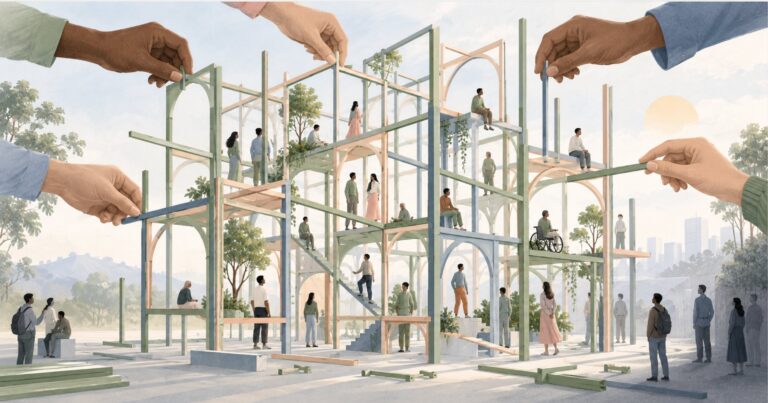
The holidays feel like weather, something that simply arrives. They are a building, and buildings have owners, tenants, and people sleeping on the steps. For eight weeks I am walking through the building and asking who it was built for.
For fifty years my family has traded records and old photos, but one branch we left alone: a third cousin who became a Klan leader. What a family tree can and cannot explain about racial hatred.
Violence came into a classroom on East 38th Street. Years later I am still asking what brought those men there, and what it would take for a different life to emerge.
For years I've called my dark years a gift. Here I put that claim to the test: suffering can become a place of growth, but growth never makes the harm good.
A marker on a hurricane map, a plan to rename an ocean: what Donald Trump’s strangest moments reveal about him, about the culture that cheers, and about the rest of us.
In 1977, a student in my rural Georgia classroom told me he wasn't allowed in the city pool. That moment raised a question I still carry: who decided what our skin would mean, and who gains from the answer?
People build systems, and then those systems quietly build us. What the research on corporate leaders reveals about privilege, who pays the price, and why what we built we can also rebuild.
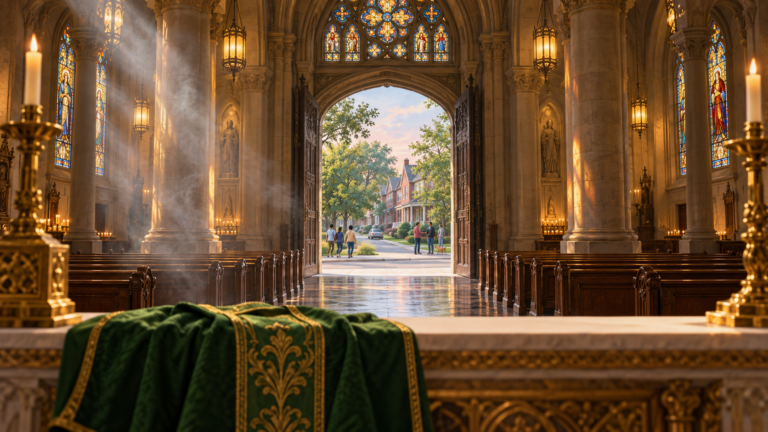
I loved the liturgy and served a near-northside Indianapolis parish as White flight hollowed it out. Spinoza helped me understand why I had to leave, and what true piety asks of us.
In the emergency room, I answered every question the staff asked my mother. My answers were correct, and that was the problem. What that morning taught me about dignity.