Articles

Longer essays on how a self is formed, wounded, and remade — drawing on research into humiliation and dignity, on philosophy, and on lived experience. Choose a topic to narrow the list.

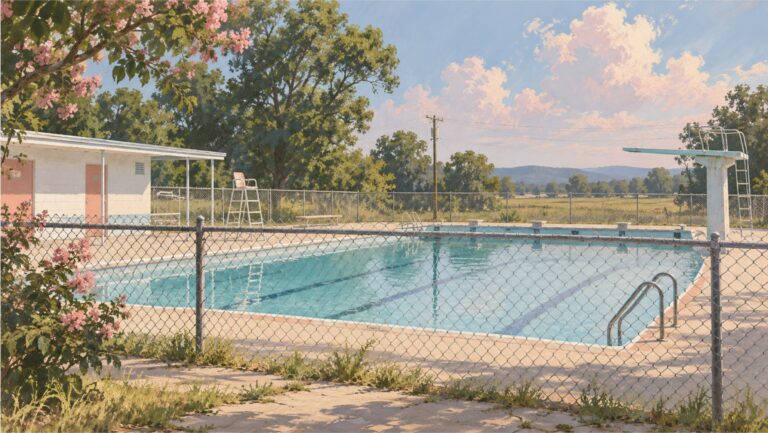
Painting of an empty public swimming pool behind a chain-link fence on a summer afternoon, with flowering trees and a diving board

Who Decided What Our Skin Would Mean?

In 1977, a student in my rural Georgia classroom told me he wasn't allowed in the city pool. That moment raised a question I still carry: who decided what our skin would mean, and who gains from the answer?
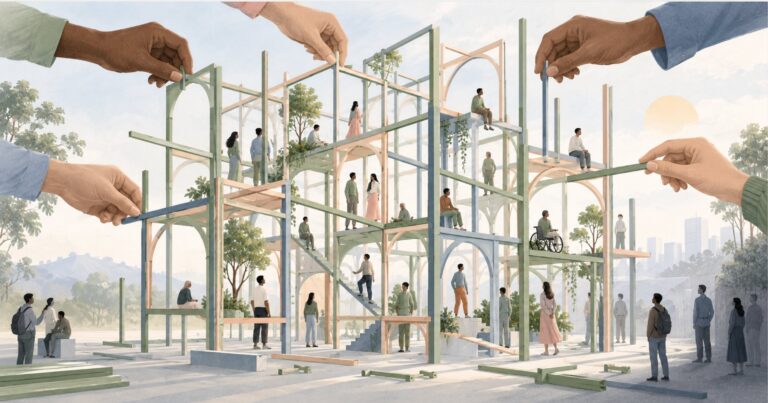
Illustration of the systems we build: many hands of different skin tones assembling an open scaffold in sage green, pink and blue, with people inside it and others watching from its edges.

The Systems We Build, and the People They Make of Us

People build systems, and then those systems quietly build us. What the research on corporate leaders reveals about privilege, who pays the price, and why what we built we can also rebuild.
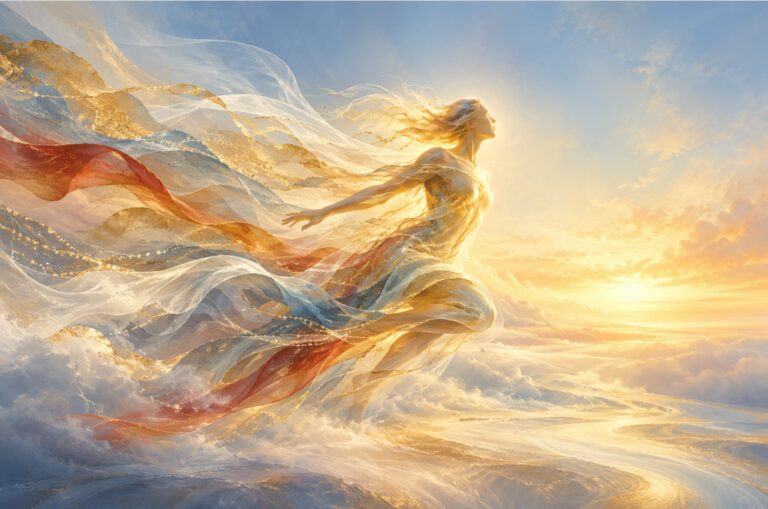
A luminous figure dissolving into flowing fabric and light in golds and warm tones, suggesting human transformation and becoming

People Are Verbs: The Quiet Rebellion Against How We’ve Been Taught to See Ourselves

What if you are not a thing at all, but a happening? Whitehead's quiet rebellion against the grammar of nouns — and the freedom it offers.
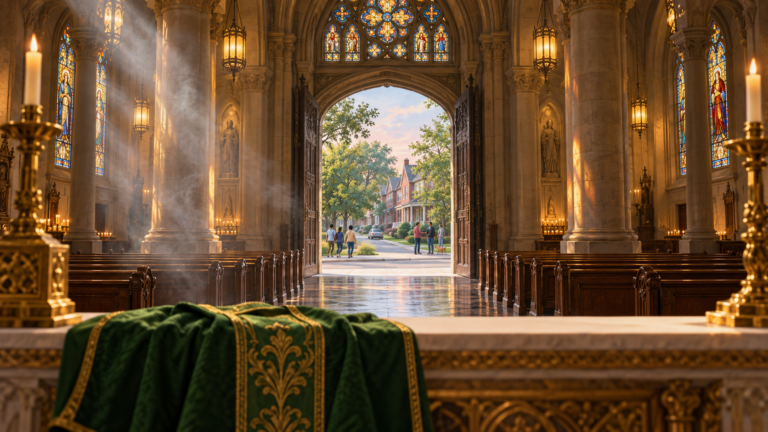
Open doors of a grand Catholic church, seen from the altar with a green chasuble in the foreground, looking out on a neighborhood street where neighbors talk together

From the Altar to the Streets

I loved the liturgy and served a near-northside Indianapolis parish as White flight hollowed it out. Spinoza helped me understand why I had to leave, and what true piety asks of us.
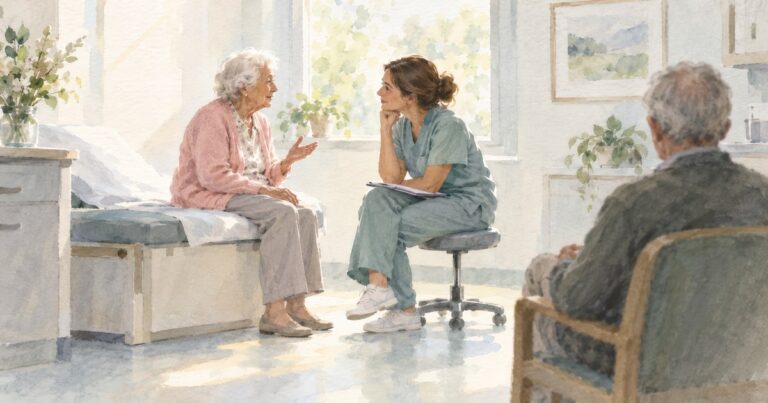
Watercolor of an elderly woman in a pink cardigan speaking with a nurse who listens closely in a sunlit examination room, while a gray-haired man sits quietly in the corner with his back to the viewer.

Dignity Is Something We Do

In the emergency room, I answered every question the staff asked my mother. My answers were correct, and that was the problem. What that morning taught me about dignity.
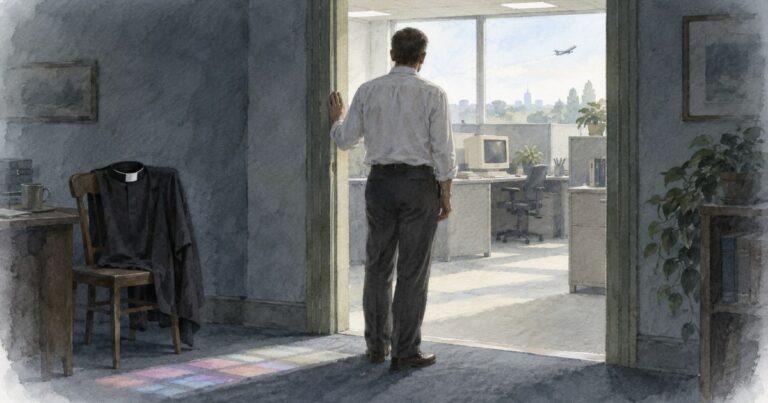
Watercolor of a man standing in a doorway with his back to the viewer, a black clerical shirt left on a chair in the dim room behind him and a bright 1990s office ahead, where a plane climbs past the window.

Leaving Can Be Its Own Kind of Arriving

After I left the priesthood, I spent a year in temp jobs, standing in a doorway between who I had been and who I would become. Leaving, I have come to believe, is its own kind of arriving.
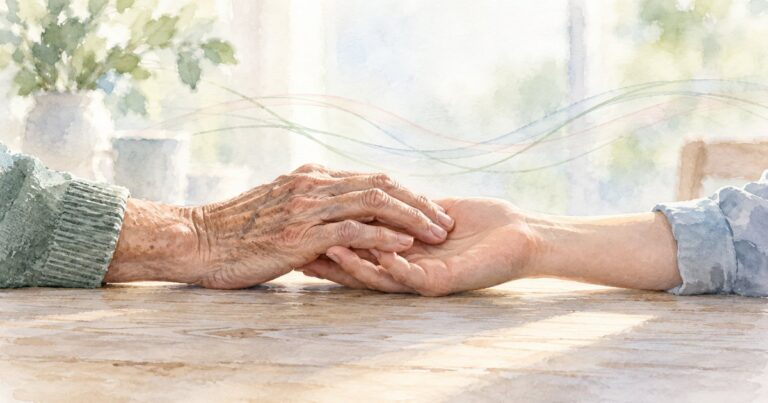
Watercolor of an older hand resting gently on another person's open hand across a wooden table, symbolizing human presence beyond thoughts and prayers

Beyond “Thoughts and Prayers”: A Former Priest on Where Healing Really Happens

A former priest on why "thoughts and prayers" fall short, and how presence, practical help, and human connection carry the healing that prayer once promised.
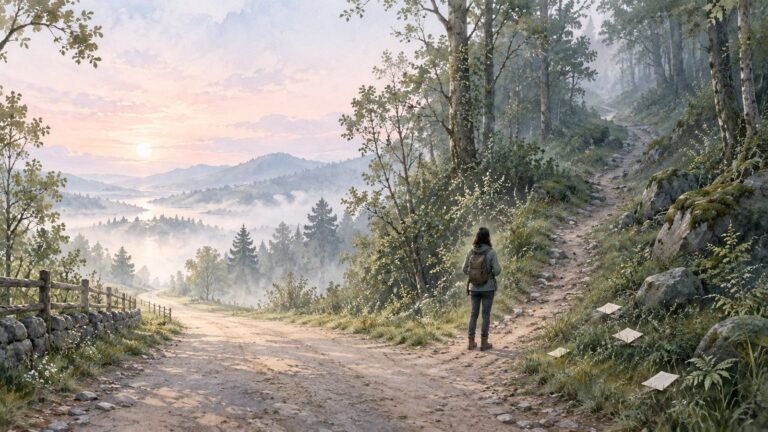
A hiker stands at a fork between a wide, easy road and a narrow, rocky path climbing into misty woods, with index cards scattered along the narrow path

The Road Less Traveled: Why Becoming Asks More Than Getting

Why do most of us take the path of least resistance? A dissertation Chair, nine drafts, and a social constructionist look at what it means to become, not just get.
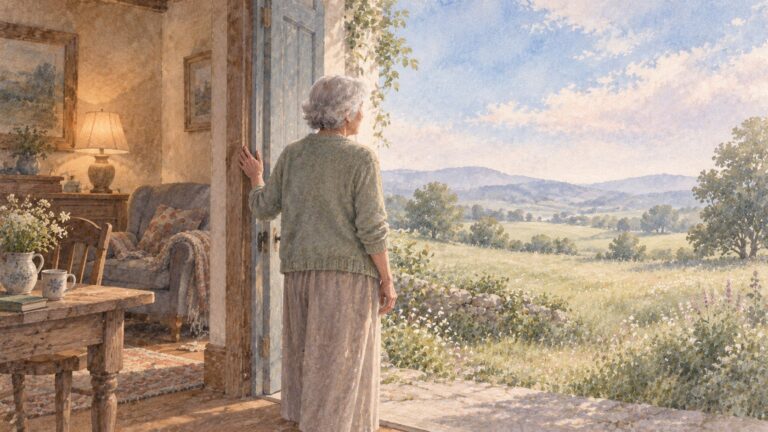
Older woman standing in an open doorway, looking out from a cozy room onto sunlit countryside — starting over later in life

Starting Over Later in Life: Why We Never Stop Becoming

We tend to think becoming happens early, and that after middle age we just maintain what we have. My retired friends prove otherwise.